Compliments of Full Stack Marketing Consultants
Fourth in the series
In today’s digital landscape, attracting traffic to your website is only half the battle. The true challenge lies in converting that traffic into qualified leads. A well-structured funnel can help you achieve this by guiding prospective customers through a journey that culminates in conversion. Whether you’re a seasoned marketer or a business owner exploring the nuances of digital marketing, understanding how to create a high-converting funnel is essential for your growth.
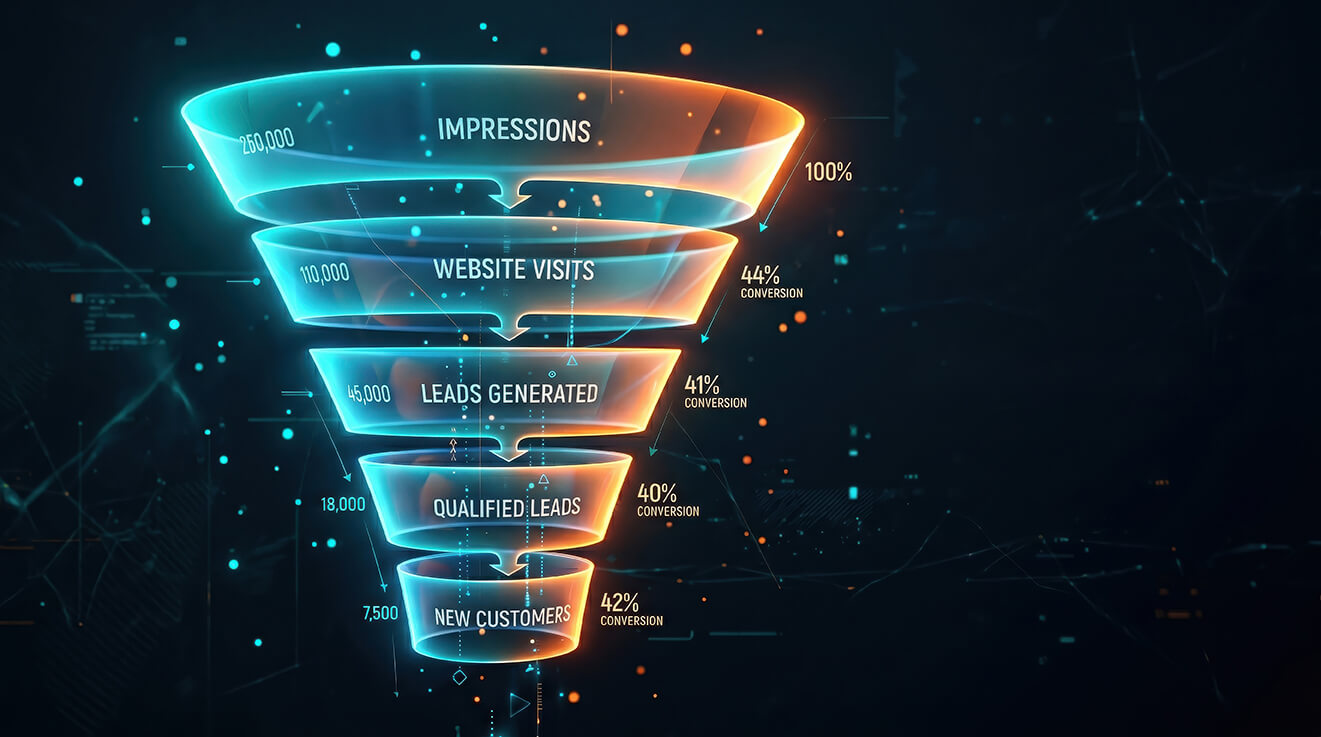
Understanding the Funnel Structure
The funnel consists of several key components: awareness, interest, desire, and action. By aligning your content marketing strategy with this structure, you increase the likelihood of converting casual visitors into loyal customers.
Awareness: Hooking Your Audience
This is where content marketing shines. Create high-quality, informative blog posts, infographics, and videos that address the pain points of your target audience. By optimizing this content for SEO, you can increase visibility and attract visitors to your site.
Interest: Offering Value Through Lead Magnets
Once you’ve attracted visitors, it’s essential to nurture their interest. Lead magnets are powerful tools that can help you achieve this. Offer valuable resources such as eBooks, checklists, or webinars in exchange for your visitors’ contact information. This strategy not only provides value but also positions your brand as an authority in your field.
Desire: Crafting Compelling Landing Pages
Your landing page is where the magic happens. It should be designed to effectively convert visitors who have shown interest through your lead magnets. Use persuasive copy that highlights the benefits of your offer, include testimonials, and ensure strong calls-to-action (CTAs) that lead the visitor to complete the desired action, such as filling out a form or signing up for a newsletter.
Action: Building an Engaging Email Sequence
After capturing leads, the next step is to engage them through an email sequence. This is where you build relationships and trust. Send a series of emails that provide value, educate your leads about your products or services, and guide them towards making a purchase. Include personalized content and CTAs to keep them engaged.
Measuring and Optimizing Your Funnel
Regularly track and analyze your funnel’s performance. Use tools like Google Analytics to measure traffic, conversion rates, and user behavior. Understand where you’re losing prospects in the funnel and optimize these areas accordingly.
Frequently Asked Questions
What is a lead magnet?
A lead magnet is a valuable resource offered to potential customers in exchange for their contact information. Examples include eBooks, templates, or webinars.
How can I improve my landing page conversion rate?
Focus on clear, persuasive copy, engaging visuals, and strong CTAs. A/B testing different elements can also help identify the most effective strategies.
What tools can I use to create email sequences?
Email marketing platforms like Mailchimp, Constant Contact, or ActiveCampaign are great for setting up and managing automated email sequences.
Implementing these tactics can position your business for significant growth. At Full Stack Marketing Consultants, we help businesses scale their online visibility, build repeatable content marketing engines, and capture qualified inbound sales leads with confidence. Ready to elevate your marketing strategy? Contact us today!
Blog 1: How to Build a Content Marketing Lead-Generation Engine That Drives Consistent Growth
Blog 2: How to Build a Lead-Generation Content Strategy Around Your Ideal Customer
Blog 3: SEO Keyword Research for Lead Generation: How to Find High-Intent Topics


